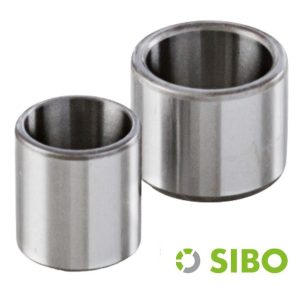


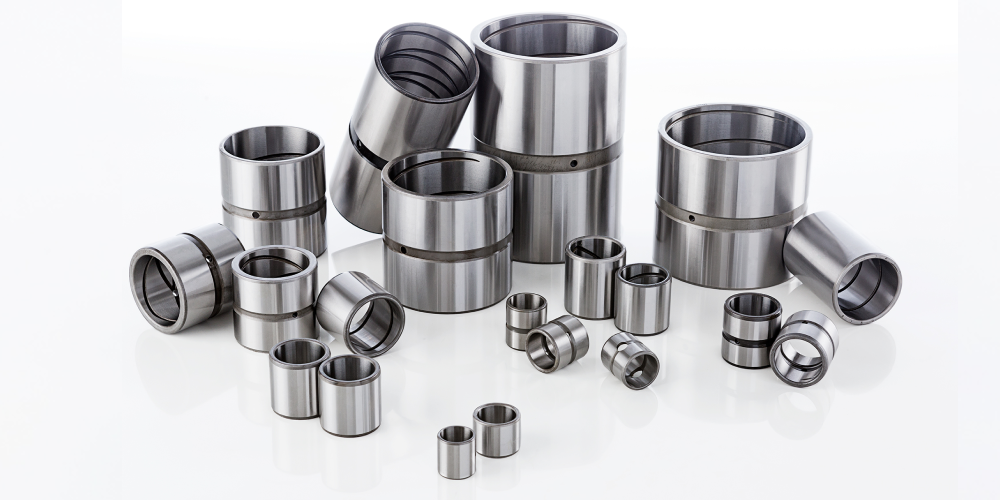
Bushings, bushes and bearings are often used interchangeably to refer to the same mechanical component: an element inserted between two parts to reduce friction during movement. However, it’s important to note that these terms, while similar, are used with subtle differences depending on the specific context and application
Bushings or Bushes terminology
This is a general term, that refers to a cylindrical element between two parts to reduce friction during movement. The term originates from the Latin word “buxida”, meaning box.
In the context of mechanical engineering, the terminology can differ based on the variant of English being used. In American English, the term bushing is typically used. However, in other parts of the world where English is spoken, you might hear either bush.
Usage and Applications
Bushings are essential components utilized across various industries. They are commonly employed in agriculture, construction, mining, and manufacturing equipment.
In agriculture, bushings ensure seamless operation in tractors, harvesters, and other farming machinery by facilitating movement in linkages and steering mechanisms. Similarly, in construction equipment like excavators and loaders, bushings enable essential components such as boom arms and buckets to move efficiently.
In the mining sector, bushings withstand harsh conditions and heavy loads, contributing to the functionality of equipment like conveyor systems and drilling machinery. In manufacturing, they support rotating and sliding shafts in machine tools, presses, and industrial robots, ensuring smooth operation.
The term is often used to define the position of the bushing within a mechanical system, such as reduction bushing, traction bushing, centering bushing, guide bushings, etc.
Bushings vs Bearings
While a bushing is a type of bearing, not all bearings are bushings. Bearings encompass a broader category that includes elements like ball bearings, roller bearings, and bushings. Specifically, bushings are a type of plain bearing that provide low-friction support for rotating shafts without the need for rolling elements.
Sleeve bearings and Sliding Bearings
The bushing is a type of bearing with specific characteristics. Often, the term bearing is used to refer to bushings, with terms that refer to use: sliding bearings, sleeve bearing.
In the mechanical industry, a sleeve typically denotes a cylindrical tube that serves to shield or encase another component. However, when the term sleeve is combined with bushing, it specifically refers to a type of bushing known as a sleeve bushing.
Contact us for information, quotes, or to receive our catalog.